Life Sciences
VIAS3D can help you develop the next phase of life sciences industry development – virtual twin experiences that are opening new possibilities in healthcare and life sciences at large. Learn more.
Life Sciences has been an unconventional industry for simulating human systems and their interactions due to the complex response of human tissue and challenges in material modeling of medical devices. Similarly, the loads applied to both tissue and devices are often not well understood.
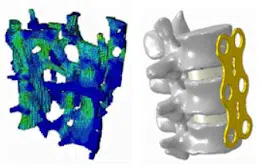
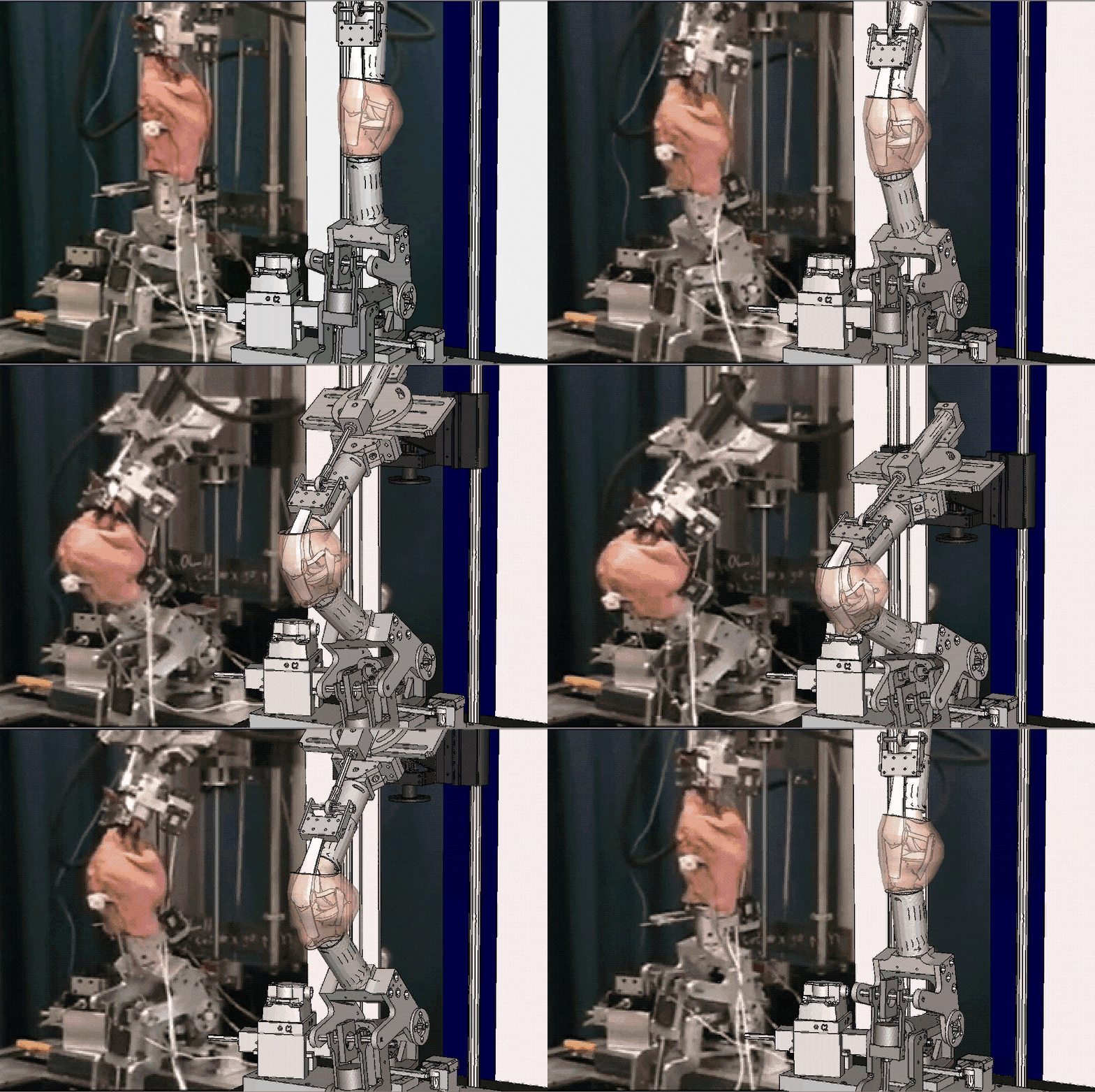
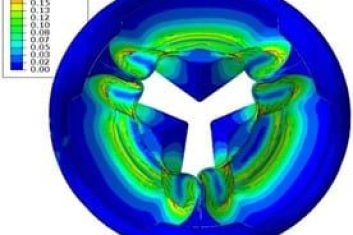
VIAS3D provides integrated, innovative, and cost-effective engineering and software solutions to simulate the human body, medical equipment and the manner in which the equipment is used. We offer Unified FEA solutions to simulate implanted devices, orthopedics, brain injury due to head impacts, tissue modeling, mechanics of feet, and portable devices for blood monitoring, among other applications.
Virtual Twins for Life Sciences
Virtual twins enable the life science industry to invent new ways of representing life, by understanding and representing the invisible. This encompasses core shifts in business processes, strategic planning and regulatory frameworks, as well as technological solutions. The human body holds complex mysteries yet to be uncovered by science, from its DNA to its organs – we are still learning.
Inefficiencies in today’s world of research and medicine, compounded with the need for more precise, sustainable patient care, have made the Life Sciences and Healthcare industry ripe for transformation. Shifting the focus to deliver superior, patient-centric, outcome-driven experiences and creating the processes to support them transforms how therapies are discovered, developed, produced, commercialized and used.
Solutions and Applications
Contact us to learn more about our BIOVIA solution and the below specializations we can help you with:
Stents
Artificial Heart Valves
Dental Implants
Tissue Modeling
Surgical Equipment
Orthopedics
FEA
- Stents: Cardiovascular, bile ducts, urinary tracts, etc.
- Orthopedic implants: Hip, knee, shoulder, elbow with materials ranging from commonly used stainless steel to Ultra-High Molecular Weight Polyethylene (UHMWPE), Total Knee Replacement (TKR), implant constraint, wear simulations
- Tissue: Porous, permeable, soft and hard tissue behavior
- Drug delivery and surgical equipment: Complex and minimal invasive procedures (Endoscopic surgery), Syringe (needle-soft tissue interactions)
- Pharmaceuticals: Powder (modeled as granular material) compaction used in tableting process using MD and DEM simulations
CFD
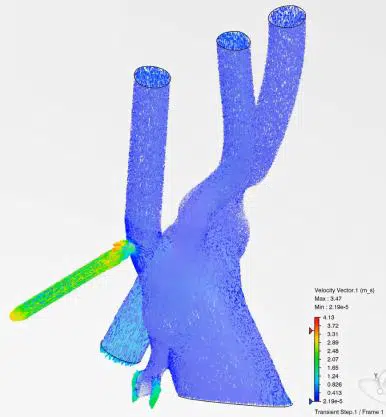
- Blood flows: Pulsatile flows in Aorta, Blood flow in Arterio-Venous Fistulae systems, blood flow through cardiovascular medical device, Hemodynamics
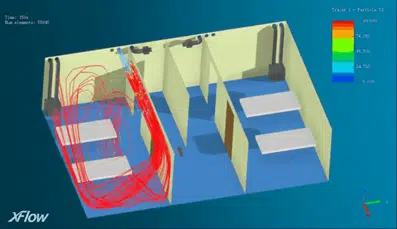
- Sniff & Sneeze, Cough: Flow dynamics of nasal-cavity flow, and flow of expelled mucus
- Heart-Valve: Flow and performance analysis
- Aneurysms: Blood flow inside aneurysm
- Drug Delivery: Inhaler design, arrhythmias, cardiac simulator
- Medical Equipment Design: Incubator design, blood pump design
- Disease Diagnostics: Breathing difficulties, sleep apnea
- Pharmaceuticals: Tablet coating process, bulk drug mixers, sparged bio-reactor
EMAG
- Human Simulation Models: Cole-Cole model fitting, Bioheat calculation
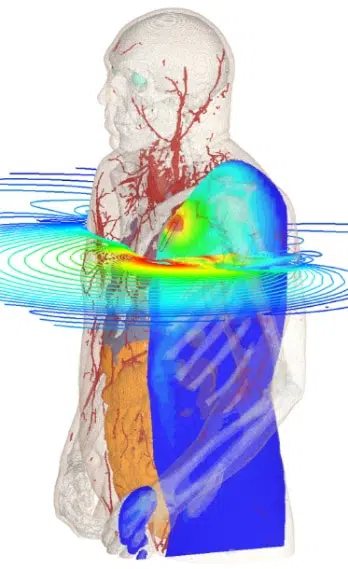
- Medical Imaging: MRI, gradient, main and RF coils, quenching, external shielding, bioheat, SAR, visualization of EM fields inside the human body
- Treatment: Thermal ablation, treatment planning, hyperthermia, active implants EMI simulations
- Smart Health: Connected medical devices, remote patient monitoring, body sensors, wearable antennas, pacemaker
Life Sciences Clients


Blogs
Read Our Recent Life Sciences Blog Articles
06
Jun
Biomechanical Analysis of Cardiovascular Devices using Finite Element Modelling
The cardiovascular medicine is advancing tremendously thanks to the continuous upgradation of innovative medical ...
21
Oct
Fixing the “Number of CPUs” Error in Abaqus: A Simple Guide
So, you...
| USA
| México
| India
| Canada
| Colombia